I have a soft spot for one-act plays. They don’t get much room to faff about. The audience has just settled, the world has been introduced, and you are already responsible for making the next forty minutes worth staying for. That isn’t a handicap. It’s a useful discipline.
Writing for a drama festival brings that into focus. People have come to see several plays, not wait patiently while yours warms up. So I try not to ask, “How do I squeeze a full-length play into a shorter slot?” The better question is, “What is this play really about, and what has to happen before we can let the audience go?”
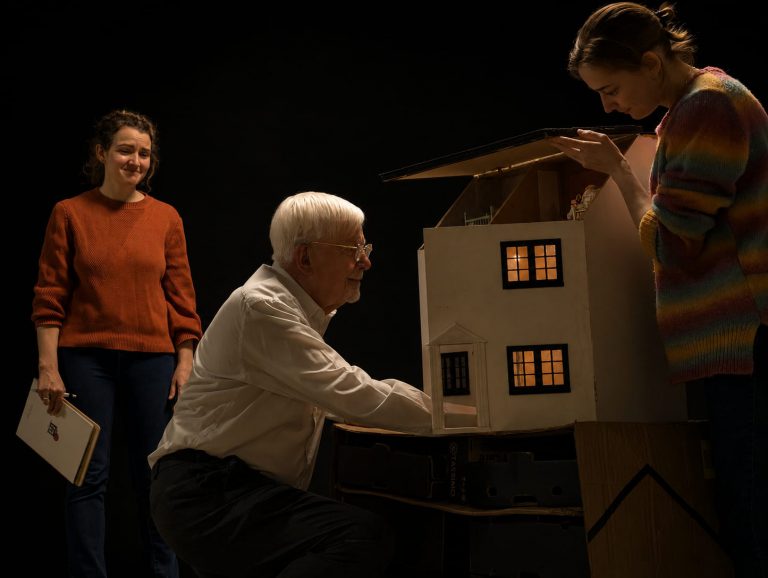
In The House With the Lights Still On, the answer was one family, one day and one living room. The children are packing up their father’s home before a move into residential care. Every object they lift has a history; every box makes the argument a little harder to avoid. Keeping the play in one room didn’t make the world smaller. It gave all that history somewhere to gather. The play went on to win Best Original Play at ODN Abingdon and was selected for the National Drama Festival in Bromsgrove.
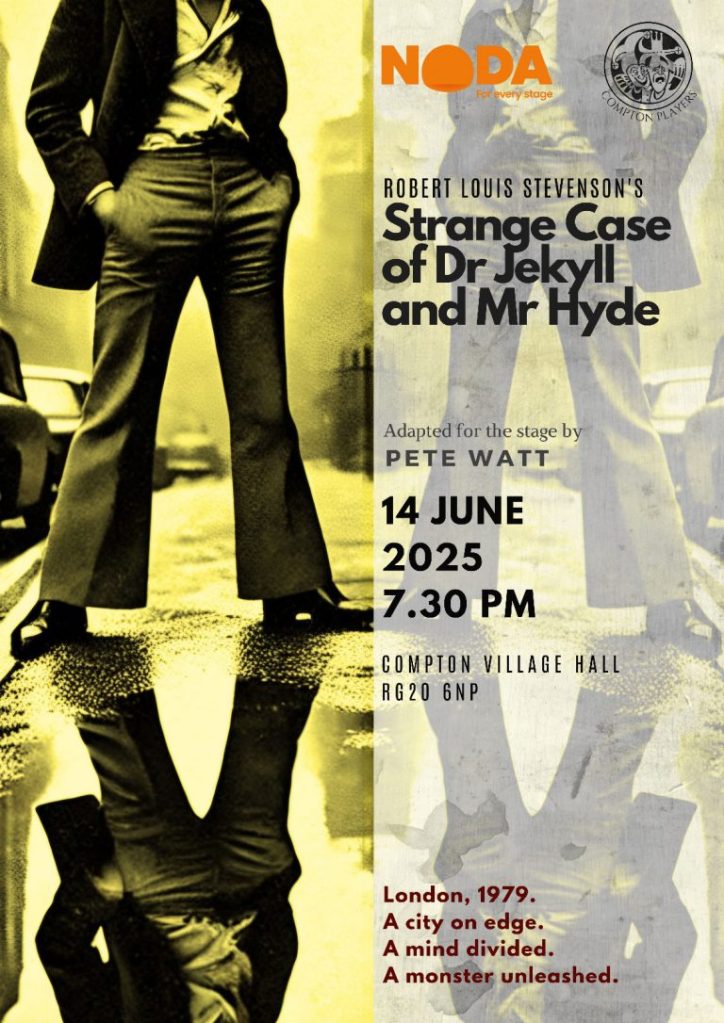
My Strange Case of Dr Jekyll and Mr Hyde used the one-act form differently. I moved the story to London in 1979, with the political noise of the time and a soundtrack of The Jam and The Clash. The cast stays in view; the world presses in around Jekyll rather than disappearing between scenes. The form let me keep the pressure on and make each transition count. It wasn’t a shorter version of someone else’s play. It was my way into the story.
Those two plays are very different, but both needed a clear centre. Once I knew what the characters could no longer avoid, I could be ruthless about everything that didn’t help us get there. Ruthless is perhaps too grand a word. I removed a few scenes and stopped pretending they were essential.
A pause can do more than another speech. One object can carry a family history. A single entrance can change the balance of a room. The audience is generous, but they are also very good at noticing when we’ve given them information twice.
The next room: Night Shift
Night Shift is the one I’m especially keen to get in front of people now. It’s a one-act Gothic comedy set in the A&E waiting room at St Jude’s, well after midnight. There’s a junior doctor, a triage nurse, a night porter, patients, a broken chair and a computer that wants a postcode from someone who doesn’t have one. Then the room begins to feel as if something else has come in with the night.
I like the scale of it: one waiting room, one continuous night, and a group of people who have no choice but to share the space. The comedy comes from the recognisable details; the Gothic unease grows out of the systems and habits that are supposed to keep everything in order. It’s a small world with plenty going on inside it.
Night Shift is ready to meet an audience, and I’m keen to find its next festival home. If you programme one-act drama, or belong to a group looking for an original ensemble piece, I’d love to hear from you. Get in touch through One and One Theatre.
That, for me, is the pleasure of the one-act play. It can hold a house, a city, a hospital and a whole family, then close the door at exactly the right moment. Small doesn’t mean slight. It means the story knows what belongs in the room.

